Thorough Wildlife Control: Preserving Your Property Through Natural Methods
Complete animal management offers a holistic method for managing typical nuisance animals on home properties. By utilizing eco-friendly and compassionate techniques, residents can successfully deter animals while protecting surrounding natural environments. Recognizing the behaviors of these creatures is crucial for executing successful solutions. As homeowners look for remedies, questions surface about the best available methods and the importance of coexistence. What effective actions can be adopted to ensure security while respecting local wildlife?
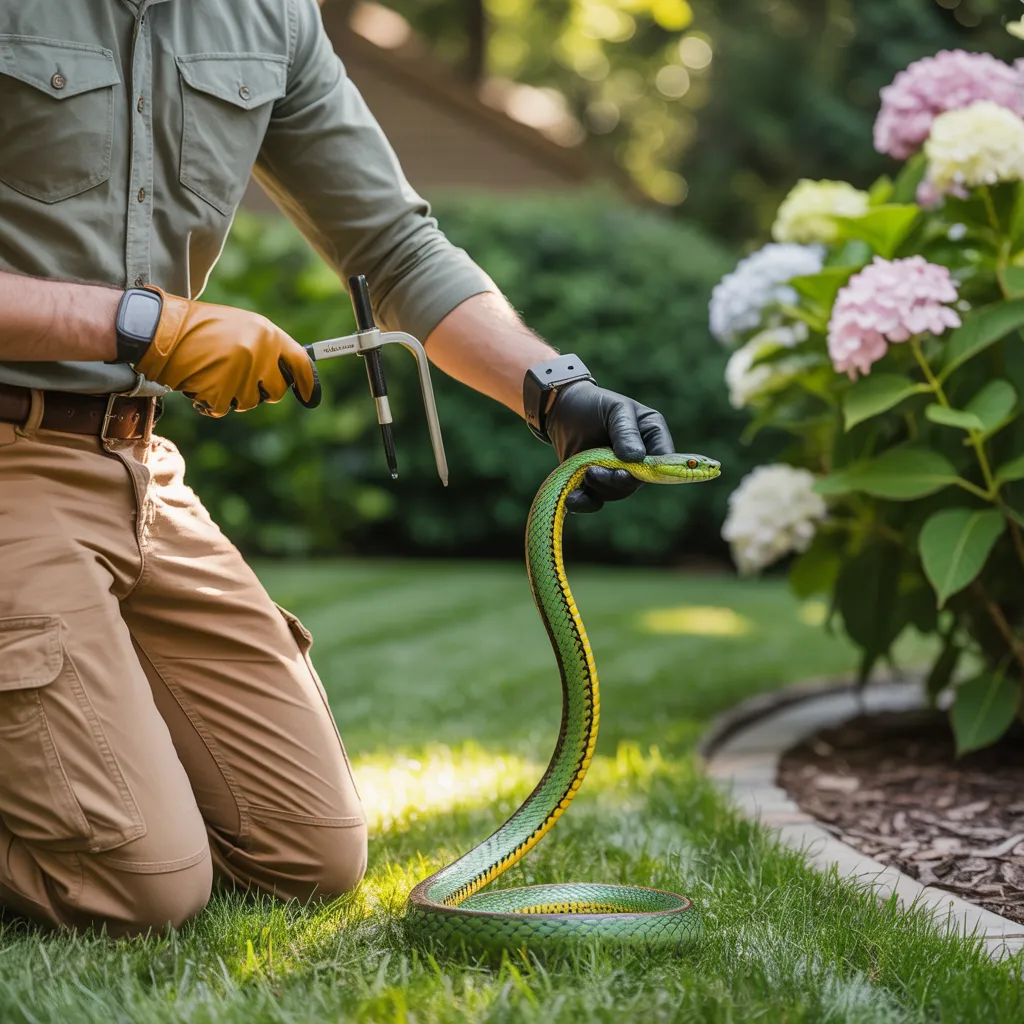
Common Wildlife Intruders and Their Behaviors
When residents deal with wildlife invaders, comprehending their patterns proves critical for proper handling. Typical wildlife invaders consist of raccoons, squirrels, skunks, and deer, each demonstrating specific habits that can influence home environments. Raccoons are night-dwelling creatures that commonly rummage through waste containers, displaying dexterity that allows them to open containers. Squirrels, recognized for their nimbleness, can readily infiltrate attics and rooftops, encouraged by the need for nesting locations or a food source. Skunks, despite being largely peaceful, may create disturbances when burrowing through yards for insects or grubs. Deer, attracted to yards and garden beds, can inflict considerable harm while grazing on plant life. By identifying these habits, residents can more effectively predict intrusions and ready themselves for possible wildlife interactions, creating a basis for practical wildlife handling methods. Understanding the specific habits of these animals is fundamental for maintaining a harmonious coexistence.
Important Strategies for Effective Wildlife Management
Successful wildlife management demands a multifaceted approach that includes environmental modification methods, natural deterrents and repellents, and safe trapping methods. These strategies work to limit conflicts between humans and wildlife while promoting a balanced ecosystem. context information Recognizing and utilizing these approaches can lead to sustainable solutions for managing wildlife intrusions.
Habitat Alteration Approaches
A variety of landscape management approaches can significantly limit human-wildlife conflicts in urban and suburban areas. By modifying the surrounding environment, residents can render their properties less attractive to nuisance wildlife. This includes limiting food accessibility by properly securing trash, installing bird feeders specifically designed to deter larger animals, and clearing away dropped fruit or animal feed. Furthermore, reducing shelter opportunities is essential; cutting back thick vegetation and closing off building entry points helps prevent nesting. Managing water sources by removing standing water is recommended, which appeals to many different animal species. Applying these methods not only protects properties but also supports a well-balanced ecosystem, allowing wildlife to thrive in their natural habitats while minimizing human-wildlife interactions.
Natural Deterrents and Repellents
Natural deterrents and repellents serve a vital function in managing wildlife interactions in urban settings. These methods utilize natural ingredients to create barriers that discourage animals from entering properties. Frequent examples encompass predator urine, citrus aromas, or vinegar, all of which can discourage animals like raccoons, deer, and rodents. Moreover, cultivating selected herbs, including mint or lavender, can drive away pests while beautifying the outdoor space. Motion-activated devices emitting sounds or lights can also be effective, providing a non-lethal means of keeping wildlife at bay. The effectiveness of these strategies often depends on the specific species being targeted and the environment in which they are applied. Embracing these natural alternatives promotes a sustainable and harmonious relationship between humans and the natural world.
Secure Trapping Approaches
Proper trapping methods are fundamental to responsible wildlife control, safeguarding the well-being of both humans and wildlife. Effective techniques focus on using humane traps that minimize stress and injury to captured animals. Live traps, designed to capture without harm, allow for safe relocation, while quick-release snap traps can efficiently and humanely eliminate smaller pests. Careful bait choices draw in target species without endangering non-target wildlife. Regular trap inspections are necessary to avoid extended animal confinement. Furthermore, positioning traps in key areas, including near entry points or feeding zones, greatly improves their success rate. Ultimately, compliance with local laws governing trapping and relocation is essential, encouraging responsible conduct and guaranteeing alignment with wildlife protection legislation. Such techniques support a well-rounded strategy for controlling wildlife populations.
Why Humane Methods Matter in Wildlife Management
Although wildlife management often involves difficult decisions, focusing on humane techniques is vital for maintaining a well-balanced ecosystem. Compassionate methods not only reduce suffering but also encourage harmonious coexistence between people and wildlife. By employing non-lethal techniques, such as relocation and habitat modification, wildlife managers can reduce conflicts while ensuring animal welfare.
Furthermore, humane methods contribute to public endorsement and beneficial community engagement. When people view wildlife management as responsible and humane, they become more inclined to participate in conservation activities and back local programs. Such approaches equally sustain biodiversity, because they permit wildlife communities to prosper without needless disturbance.
In the end, emphasizing humane methods in wildlife management nurtures a greater awareness of environmental interconnections. This methodology supports the idea that humanity and nature can coexist harmoniously, promoting respect for nature while successfully managing tensions that may arise in mutual territories.
Key Techniques for Wildlife Control
With regard to wildlife control, proven methods involve techniques for habitat adjustment and the use of natural deterrents and repellents. Such approaches are designed to minimize conflicts between humans and wildlife while supporting a balanced ecosystem. By adopting these strategies, local populations can cultivate a more harmonious coexistence with the surrounding wildlife.
Habitat Adjustment Strategies
Modifying habitats serves as a preventative approach to animal management, considerably lowering the likelihood of unwanted animal encounters. By altering the environment, property owners can reduce the factors that draw wildlife. For instance, storing garbage in wildlife-resistant bins and draining pooled water can repel unwanted animals. Additionally, cutting back excessive growth and closing gaps in structures assists in eliminating potential shelter areas. Establishing physical boundaries, such as fencing, can help minimize wildlife access to gardens or yards. Adopting these measures not only secures property but also encourages a balanced ecosystem, enabling local species to flourish while deterring nuisance animals. Overall, environmental adjustment effectively fosters a safer and more harmonious living environment for humans and animals together.
Natural Deterrents and Repellents
Modifying the habitat establishes a basis for successful wildlife management, but pairing these measures with natural deterrents and repellents can significantly boost defense against unwanted animals. Numerous natural materials function as reliable barriers against common nuisance animals. As an example, potent aromas such as peppermint oil, vinegar, and citrus effectively repel rodents and insects. Moreover, predator urine, which can be purchased commercially, helps discourage smaller animals by mimicking the presence of a natural threat. Growing specific herbs like lavender or basil can likewise assist in keeping unwanted wildlife at bay. Installing motion-triggered devices that produce sounds or lights can successfully scare animals off. Through the application of these natural approaches, property owners can establish a less appealing environment for wildlife, minimizing the chances of intrusions while staying environmentally conscious.
Building a Safe Haven for Wildlife and Your Home
Establishing a secure setting for both wildlife and homes requires a well-rounded strategy that takes into account the needs of both. Residents can adopt strategies that encourage harmonious living while ensuring property safety. This encompasses securing trash bins and compost piles to discourage intrusive wildlife, as well as using native plants in landscaping, which provide natural habitats for local wildlife.
Well-placed fencing can establish boundaries that safeguard gardens while keeping animals safe. Adding birdhouses and bat boxes boosts biodiversity while providing homeowners with natural pest control benefits.
In addition, decreasing chemical pesticide use supports a healthier natural habitat, providing benefits for both wildlife and human inhabitants. Ongoing maintenance of buildings, for example closing gaps and fixing screens, additionally prevents animal entry.
When It Is Time to Seek Professional Help for Wildlife Management
When should homeowners consider enlisting professional help for wildlife control? When a homeowner comes across wildlife that presents a health hazard, like raccoons or bats, it is essential to obtain professional help. Moreover, when animals start building nests in attics, walls, or basements, seeking professional help is wise to protect the home from damage. Evidence of continued wildlife activity, including unusual sounds or droppings, suggests the need for an expert's inspection.
Additionally, when animal behavior becomes aggressive or if a homeowner is uncertain about safe removal methods, reaching out to professionals is necessary. Wildlife control experts possess the knowledge, tools, and experience to handle various species humanely and effectively. Finally, areas with protected or endangered species may require specialized permits, making professional guidance invaluable in ensuring compliance with local regulations. In the end, identifying these situations enables homeowners to safeguard their property while preserving a secure living space.

Common Questions and Answers
How Do I Keep Wildlife Out of My Garden?
To prevent wildlife from getting into your garden, it is advisable to set up robust fencing, employ repellent products, keep the area clean, properly secure garbage, and cultivate unappealing plant varieties. Frequent assessments and adaptations can strengthen these safeguards considerably.
What Are the Signs of a Wildlife Infestation?
Indicators of a wildlife problem consist of droppings, gnawed vegetation, nests, footprints, and strange sounds, like scratching or rustling sounds. Furthermore, deteriorated structures or burrows can suggest the presence of wildlife looking for food or refuge.
Can Natural Repellents Be Used for Certain Animals?
Yes, natural repellents exist for specific animals. To give some examples, peppermint oil is effective against rodents, while cayenne pepper can drive away deer. Such techniques make use of smells or tastes that animals find disagreeable, working to keep them at a distance.
Can Wildlife Control Methods Harm Pets?
Wildlife management strategies can potentially harm pets if not properly applied. Chemicals, traps, and deterrents could be harmful for domestic animals. Diligent pet guardians should verify that techniques employed remain safe and non-toxic to their pets.
What Should I Do if I Find a Baby Animal?
Should someone encounter a baby animal, they should monitor it from a safe distance to check if the mother will return. Should the animal appear to be abandoned, getting in touch with a local wildlife rescue specialist is strongly suggested to provide the animal with the care and attention it needs.